

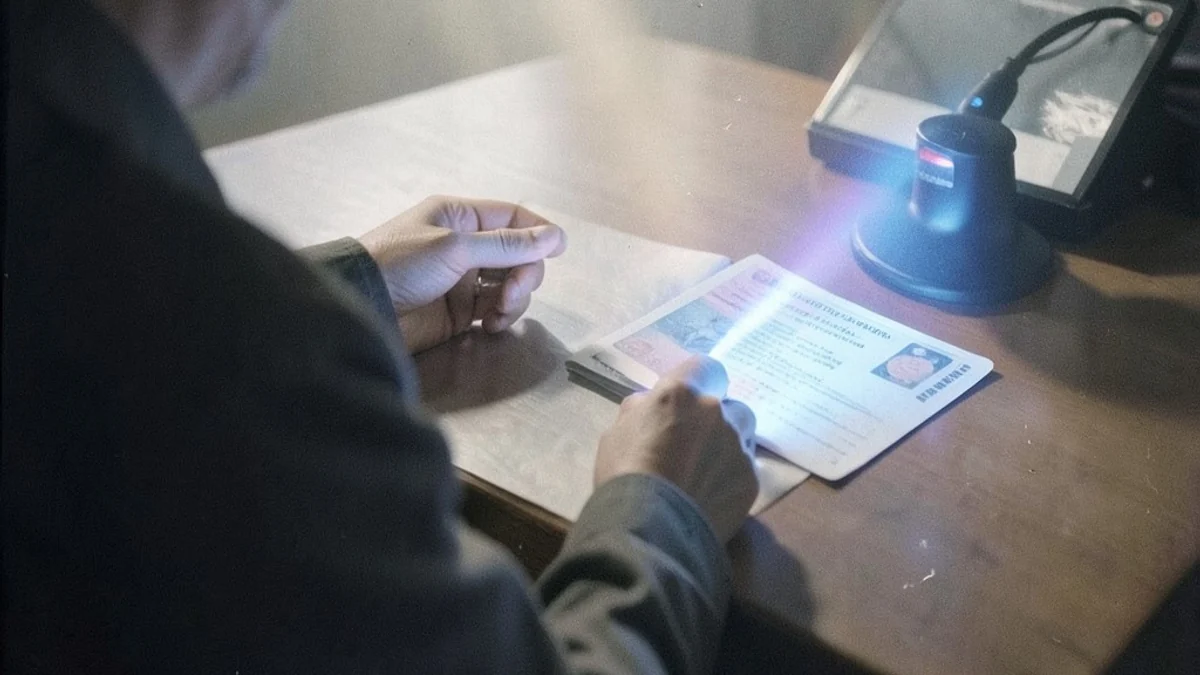
Love is verifying authentic vocal resonance before opening your heart. Across my desk at the Cheltenham Bureau, the ledger of modern deception has evolved far beyond hastily stolen photographs and fabricated biographies. We have entered an era where three seconds of audio harvested from an Instagram story or a corporate webinar can resurrect an entire conversational persona. The synthetic suitor does not merely text; they call you on your evening commute, whispering endearments through a synthetic vocal tract trained on cloud-based neural networks.
Field Hook and Context
The contemporary romance fraudster operates less like a rogue Casanova and more like an automated call center crossed with an intelligence operative. By 2026, the barrier to entry for high-fidelity audio synthesis has collapsed into the hands of organized financial syndicates. You receive a voice note while boiling the kettle: a low, resonant laugh, a slight hesitation in the breath, a familiar cadence asking how your presentation went. It sounds entirely human because the underlying architecture was built from a genuine human template. Yet, beneath the acoustic veneer, there is no person—only an algorithm generating phonetic approximations of affection.
Detecting these threats requires a shift from relying on instinct to employing methodical acoustic verification. When emotional stakes are high, our cognitive biases rush to fill in the blanks, smoothing over the robotic artifacts that a forensic ear would catch immediately.
Key Takeaways Dossier
- Synthetic voice generation requires minimal source material, making public social media videos a primary vector for acoustic harvesting.
- Real-time AI voice cloning introduces subtle phase distortions, micro-pauses, and unnatural breathing cycles that bypass casual human scrutiny.
- Establishing an unprompted, multi-channel video protocol remains the single most reliable deterrent against synthetic persona operations.
- Evaluating the behavioral velocity of a digital courtship helps isolate automated scripts from genuine emotional progression.
The Anatomy of Synthetic Acoustic Deception
The mechanics of an ai voice cloning romance scam 2026 rely heavily on the victim’s willingness to trust their own ears. For generations, human beings have treated the human voice as the ultimate proof of identity. If someone speaks to us in real-time, matching the pitch, regional accent, and timbre of an individual we believe we know, skepticism evaporates.
Fraud syndicates exploit this evolutionary trust by capturing voice snippets from open-source video platforms. They feed these files into generative models that map acoustic properties, pitch contours, and idiosyncratic vocal fry. When the scammer executes a live voice call or drops a sudden WhatsApp voice note, the software translates typed scripts into rendered speech instantly. To protect yourself, you must listen past the emotional content of the message and focus purely on the acoustic delivery.
Forensic Listening Protocols
When evaluating a suspect voice note or phone call, you must apply strict forensic listening parameters. Synthetic audio generators often struggle with the messy reality of human respiration and semantic transitions. Listen for the absence of natural micro-pauses—those fractional silences where a speaker draws breath or adjusts their posture mid-sentence.
Furthermore, pay close attention to environmental acoustics. A cloned voice generated in a server room often lacks the ambient room tone of the physical space the speaker claims to inhabit. If the voice sounds pristine, completely devoid of background hum, traffic murmur, or air currents, yet the sender claims to be walking down the Promenade in Cheltenham on a windy Tuesday afternoon, your internal alarm should sound. Real human speech carries the chaotic signature of the physical world.
Before committing to emotional vulnerability or financial coordination, it pays to run your observations through an objective framework. You can utilize our client-side Dating Risk Calculator to evaluate threat vectors safely and systematically grade the behavioral markers of your digital counterpart.
Disrupting the Script with Unscripted Friction
Fraudsters rely on predictable narrative arcs. They establish rapid intimacy, cite sudden geographic or professional complications, and eventually pivot toward financial requests, cryptocurrency investments, or emergency wire transfers. The introduction of synthetic voice notes is designed to accelerate this timeline by neutralizing your doubts.
To break the illusion, you must introduce unscripted friction into the interaction. Scammers train their models for specific conversational domains—romance, flattery, and crisis management. They struggle with spontaneous, absurd, or hyper-local real-world challenges. Ask an unexpected question that requires an immediate, non-scripted acoustic reaction without digital preparation time. Better yet, insist on an unscheduled video check through a secure platform. If your suitor consistently encounters technical failures with their front-facing camera—broken lenses, faulty Wi-Fi drivers, or sudden lighting issues—you are not dealing with a shy romantic. You are dealing with an automated pipeline that cannot render a three-dimensional face in real-time.
Love does not require blind faith; it requires mutual visibility and verifiable presence. By treating digital communication with the same rigor you would apply to any other critical security assessment, you preserve your emotional capital for those who are genuinely present in the physical world.
Frequently Asked Questions
How do scammers obtain enough audio to clone someone’s voice?
Perpetrators harvest short, public-facing video clips from social media profiles, professional seminar recordings, corporate webinars, or local news interviews. Modern neural networks require as little as three seconds of clean audio to map a basic vocal profile and synthesize convincing phrases.
Are there noticeable artifacts in AI-generated voice notes?
Yes. Listen for unnatural rhythmic consistency, missing or overly synthesized breath sounds, sudden shifts in room acoustics between sentences, and robotic inflection on uncommon words or local slang.
What is the safest way to verify a digital suitor’s identity?
The gold standard of verification remains an unprompted, live video call where both parties move freely, gestures match audio cues in real-time, and background environmental elements respond naturally to sudden physical movements.
Why do romance scammers prefer voice notes over live phone calls?
Voice notes allow fraudsters to bypass real-time conversational pressure, giving them time to run text through translation tools, consult scam scripts, or process audio generation through cloud servers without awkward live delays.
⚡ Quick Scan: Is Your Dating Match Real?
Instant cross-reference against verified anti-bot database and spoofing patterns.