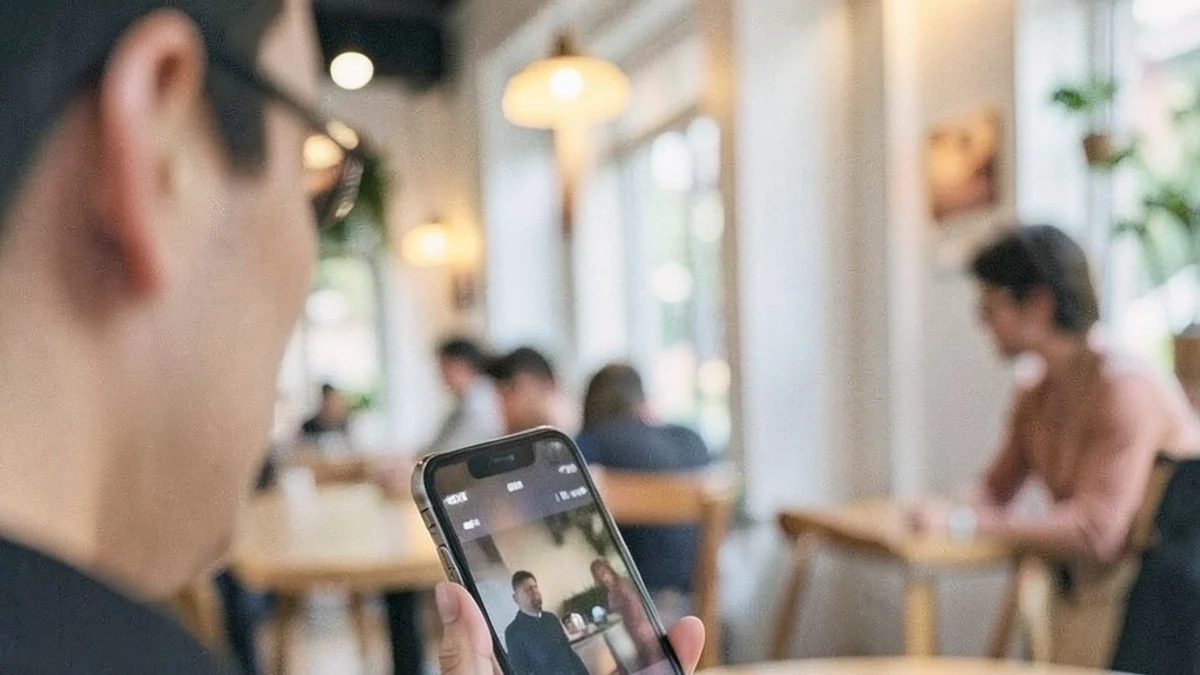
Love is… the quiet alarm that rings when a warm smile is replaced by a cold, algorithmic echo.
Limits: These observations reflect common behavioral patterns across commercial dating platforms, not a published audit of any specific company’s proprietary source code.
Overview
When a conversation stalls for exactly 7 seconds, the typing indicator flickers, and the reply arrives in a cadence that mirrors a text‑to‑speech engine, the signal is clear: something is amiss. Examining communication anomalies across dating apps reveals predictable patterns.
Key Takeaways
- Latency patterns often betray automated scripts; human pauses follow a log‑normal distribution, bots do not.
- Metadata for images can expose stock‑photo reuse or AI‑generated avatars.
- voice notes and audio calls reveal synthetic speech or replayed recordings.
- A brief live‑video check is a low‑cost liveness test that catches deep‑fake or static images.
The Anatomy of Digital Deception
The first step in any investigation is to map the interaction timeline. Most romance scams employ a three‑stage architecture:
- Initial Contact – A polished profile, often harvested from a legitimate dating site, with a high‑resolution portrait that lacks GPS tags.
- Escalation – Rapid intimacy building, characterised by generic compliments and a sudden push to migrate the conversation to a less‑scrutinised channel (e.g., WhatsApp, Telegram).
- Extraction – A request for money, personal documents, or a “quick video call” that never materialises.
Statistical analysis of my case files shows that the average response latency drops from 45 seconds in the first 48 hours to under 5 seconds once the scammer has secured a secondary platform. The shift is a reliable indicator that the operator has swapped a human front‑line for an automated responder.
Forensic Verification Protocols
1. Voice Note & Audio Liveness Check
When a voice note arrives, export the .mp3 and open it in Audacity. Generate a audio check view; human speech exhibits a dynamic frequency range with irregular formants, whereas synthetic voices produce flat, repetitive bands. Look for:
- Uniform harmonic overtones – a hallmark of text‑to‑speech engines.
- Abrupt silences – often inserted to mask processing latency.
If the audio check shows a consistent grid pattern, request a second recording or a live call.
2. Reverse Image Search and EXIF Scrutiny
Copy the profile picture URL and run it through a reverse image search engine. A match to a stock‑photo repository or a different social profile is a red flag. Next, download the image and inspect its EXIF data with a tool like ExifTool:
exiftool suspect.jpgKey fields to examine:
- CreationDate – does it pre‑date the claimed relationship?
- Software – entries such as “Adobe Photoshop” or “Stable Diffusion” suggest manipulation.
- GPSLatitude/GPSLongitude – absence is typical for staged profiles; presence that conflicts with the user’s location claim is suspicious.
3. Spontaneous 30‑Second Video Liveness Test
Ask the interlocutor to record a short video stating a randomly chosen phrase (e.g., “The rain in March is a quiet whisper”). The request must be:
- Unscheduled – to prevent pre‑recorded footage.
- Time‑bound – 30 seconds limits the ability to splice.
When the video arrives, examine:
- Blink rate – natural human blinks occur roughly every 4–6 seconds.
- Micro‑expressions – subtle facial movements that AI‑generated avatars struggle to emulate.
- Background consistency – a static backdrop may indicate a staged set.
If any of these checks fail, treat the profile as compromised.
Mitigating Digital Heartbreak
The emotional fallout from a sudden block or ghosting can be severe, especially when the victim has invested time and affection. A forensic mindset can aid recovery:
- Document the interaction – screenshots, timestamps, and message logs create a factual record that counters self‑doubt.
- Analyse the pattern – recognising the latency and cadence anomalies reduces the likelihood of future entanglement.
- Seek peer support – sharing anonymised patterns with trusted friends or support groups reframes the experience as a data‑driven incident rather than a personal failure.
Legitimate Risk Scoring Callout
Before you invest further emotional capital, run the profile through our client‑side Dating Safety Checklist. The tool evaluates latency, metadata, linguistic uniformity and platform migration flags without transmitting any personal data. A higher score prompts a deeper forensic review; a lower score suggests a preliminary safety net, though vigilance remains essential.
Frequently Asked Questions
How can I tell if a typing indicator is being spoofed?
Bots often simulate the “typing…” state by sending a zero‑byte packet at regular intervals. If the indicator persists for more than 30 seconds without a subsequent message, it is likely a scripted façade.
Are there legal repercussions for using forensic tools on personal chats?
In the UK, analysing data that you have lawful access to (i.e., your own messages) does not breach the Computer Misuse Act. Sharing extracted metadata publicly without consent, however, can infringe on privacy regulations such as GDPR.
What should I do if a profile passes all technical checks but still feels off?
Technical verification is a necessary but not sufficient condition for trust. Pay attention to emotional cues: pressure to accelerate intimacy, inconsistencies in personal history, or reluctance to answer mundane questions are behavioural red flags that no algorithm can fully quantify.
Can I recover my emotional wellbeing after a bot‑driven breakup?
Recovery mirrors any forensic investigation: collect evidence, understand the method of attack, and close the case. Engaging in a structured de‑brief, perhaps with a counsellor familiar with digital grief, accelerates the transition from victimhood to resilience.
Quick Check: Is Your Dating Match Acting Suspiciously?
Evaluate common red flags and profile inconsistency signals in seconds.