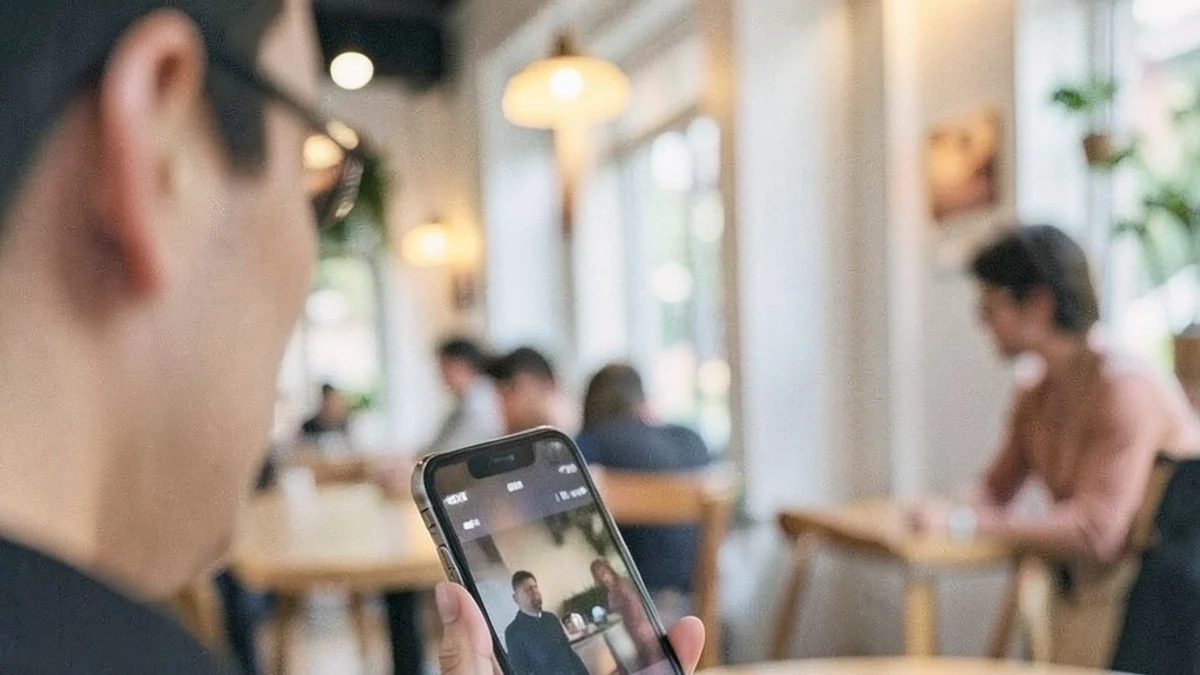
Modern dating apps are engineered to keep you swiping, not to help you delete the app. When millions of profiles sit behind a screen, protection becomes the default setting. Everyone develops a defensive shell: quick left swipes based on a single poor photo, delayed text responses to seem less available, and a persistent underlying assumption that someone better is just three profiles away.
Yet, finding real connection online remains impossible without lowering that guard to some degree. The catch is that total, immediate vulnerability is a bad strategy. Dumping your entire dating history or deepest insecurities onto a stranger during a first chat creates artificial intimacy that usually collapses under real-world scrutiny. The solution is selective vulnerability—revealing small, honest pieces of yourself at a pace that matches the other person’s willingness to meet you halfway.
Key Takeaways
- Complete emotional armor prevents real connection, but total openness too early attracts bad dynamics.
- Dating apps use predictable interface mechanics to encourage hesitation and endless comparison.
- Moving from digital text to real-world interaction is the only reliable test of actual compatibility.
- Balancing online communication with offline meetings keeps perspective grounded.
Understanding the Digital Filter
The architecture of modern dating platforms shapes how we interact before a message is even sent. App interfaces rely on specific design patterns to sustain user engagement.
How App Mechanics Shape Your Guard
Most dating apps operate on principles borrowed from behavioral psychology. Intermittent reinforcement—never knowing when the next match or message will arrive—keeps users opening the app out of habit rather than genuine desire. Paid boosts and algorithmic sorting quietly reorder who sees your profile, sometimes creating artificial scarcity to encourage spending.
Limits: These are observed interface patterns and user behavior trends, not a published audit of any specific app’s proprietary source code.
Because the environment feels gamified, users naturally treat each other like collectible cards. Photos are scrutinized for red flags, and bios are read like resume bullet points. To protect yourself from rejection fatigue, you might find yourself holding back your authentic personality, offering only safe, neutral responses that rarely spark memorable conversations. This creates a loop where everyone is waiting for the other person to prove their worth before investing any real emotional energy.
The Mechanics of Selective Vulnerability
Lowering your guard does not mean baring your soul to a stranger on a Tuesday evening. It means dropping the curated performance of perfection and offering small, specific truths about what you are looking for and who you actually are.
If you hate crowded bars, say so instead of pretending you are a nightlife enthusiast. If you are looking for a long-term relationship, stop matching with people who list their intentions as “figured out later” hoping you can change their mind. Selective vulnerability acts as a filter. It might reduce your total number of matches, but it sharply increases the quality of the conversations that do happen.
When you share a genuine preference or a minor imperfection, you invite the other person to drop their own armor. If they respond with mockery or emotional distance, you have saved yourself weeks of wasted messaging. If they respond with their own honesty, the dynamic shifts from a job interview to an actual human exchange.
Shifting from Screens to Reality
No amount of digital charm or vulnerable texting replaces the physical reality of meeting someone face to face. One of the biggest traps in modern dating is the prolonged pen-pal phase, where two people spend weeks building an elaborate fantasy of each other based entirely on text bubbles and curated snapshots.
Texting lacks tone, body language, and timing. It leaves too much room for projection. You can spend three weeks chatting with someone online, only to realize within five minutes of sitting across from them at a coffee shop that there is zero chemistry.
To bridge this gap efficiently, keep initial app conversations functional. Use them to establish basic safety, mutual alignment, and a shared sense of humor, then suggest a low-pressure in-person meeting within a week or two. If you are trying to evaluate whether a match is worth your time and energy, running through a structured relationship readiness checklist—such as the one available at our calculator page—can help clarify your own standards before you schedule that first date. Meeting early prevents emotional investment in a fiction and lets you test whether your selective vulnerability translates into actual, in-person ease.
Frequently Asked Questions
Why do dating apps make it so hard to feel vulnerable?
Apps are built around visual evaluation and rapid sorting. When profiles are reduced to pictures and short bios, the environment encourages skepticism and a consumer mindset, making people hesitant to show genuine personality or flaws.
How do I know when it is safe to lower my guard?
Look for reciprocity. If you share something personal or specific about your week and the other person acknowledges it, relates to it, and offers an honest detail about themselves in return, it is safe to lean in slightly further. If they ignore the substance and pivot back to superficial small talk, keep your guard up.
Is texting for weeks before a date a good idea?
Usually no. Extended digital communication allows you to project ideal traits onto a stranger. Meeting quickly in a public, low-stakes setting cuts through the fantasy and gives you real data on how you interact.
What if being honest scares matches away?
Some people will inevitably walk away when you state your boundaries or desires clearly. This is a feature, not a bug. Honesty filters out mismatches early, sparing you from investing time in connections that were never going to work out.
Quick Check: Is Your Dating Match Acting Suspiciously?
Evaluate common red flags and profile inconsistency signals in seconds.