By FlirtCheck editors
Modern dating apps are engineered to keep you inside the application as long as possible. The mechanics are simple: endless profiles, variable-reward notifications, and the persistent illusion that someone better is just one thumb-flick away. This design choice creates a predictable side effect known as dating app fatigue. When you treat human beings like trading cards, your brain stops processing them as individuals and starts treating the interface like a slot machine.
Slow dating is a deliberate pushback against this environment. It involves limiting your active conversations, reducing your daily swiping time, and prioritizing depth over volume. Instead of collecting matches you never message, slow dating forces you to engage with one or two people at a time. The goal is to strip away the performance anxiety of the initial match phase and focus on whether you actually enjoy talking to the person. You can evaluate how these patterns fit your own habits by running through a match evaluation checklist like the one at /calculator/ to see if your current routine is producing actual dates or just digital exhaustion.
Key Takeaways
- Limit your active conversations to a maximum of two people to prevent mental burnout and superficial comparisons.
- Treat apps as scheduling tools rather than a primary source of entertainment or validation.
- Delete or pause apps entirely for a week if you find yourself swiping out of habit rather than genuine interest.
- Move from text to an in-person meeting within a reasonable timeframe instead of conducting a weeks-long digital pen-pal relationship.
The Mechanics of Swipe Fatigue
Dating apps rely on intermittent reinforcement. You pull to refresh, and occasionally a new profile appears that catches your eye. This sporadic payout triggers a small dopamine release, which keeps you opening the app long after you have grown tired of reading bios.
Note on app mechanics: These observations are based on user experience patterns and product design trends; they are not a published audit of any specific company’s source code.
Paid boosts, read receipts, and algorithm adjustments all serve the same functional purpose: they maintain user engagement. When an application profits from your continued use, its incentive structure does not align with helping you delete the app. If you find yourself swiping mindlessly while watching television or commuting, you are participating in a system designed to monetize your boredom. Mindful swiping requires treating the app like a utility rather than a game. Set a timer for ten minutes, clear your queue, and close the application until the next day.
Flirt Style & Chemistry Quiz
Take a quick 2-minute assessment to identify your conversational pacing, boundaries, and app compatibility.
Transitioning from Digital to Reality
The biggest trap of rapid swiping is the comfort of the screen. It is easy to spend three weeks exchanging witty banter with someone without ever learning their voice, their posture, or how they treat service staff.
Setting Intentional Limits
To make slow dating work, you have to change how you measure success. A successful week on an app is not measured by fifty new matches; it is measured by having one good conversation that leads to a concrete plan for a coffee or a drink.
- Cap your daily swipe volume: Decide ahead of time that you will look at ten profiles a day, and no more. This forces you to actually read the bios instead of reflexively swiping right on every face.
- Prioritize voice or video calls: Before committing an evening to a first date, a ten-minute phone call can save you from mismatched expectations. It reveals tone, conversational pacing, and basic compatibility far better than text ever will.
- Accept the drop-off: Most matches will not go anywhere. That is a feature of dating, not a personal failure. Slow dating accepts that incompatibility is normal and saves your energy for the rare connection that warrants it.
Real Life Versus the Algorithm
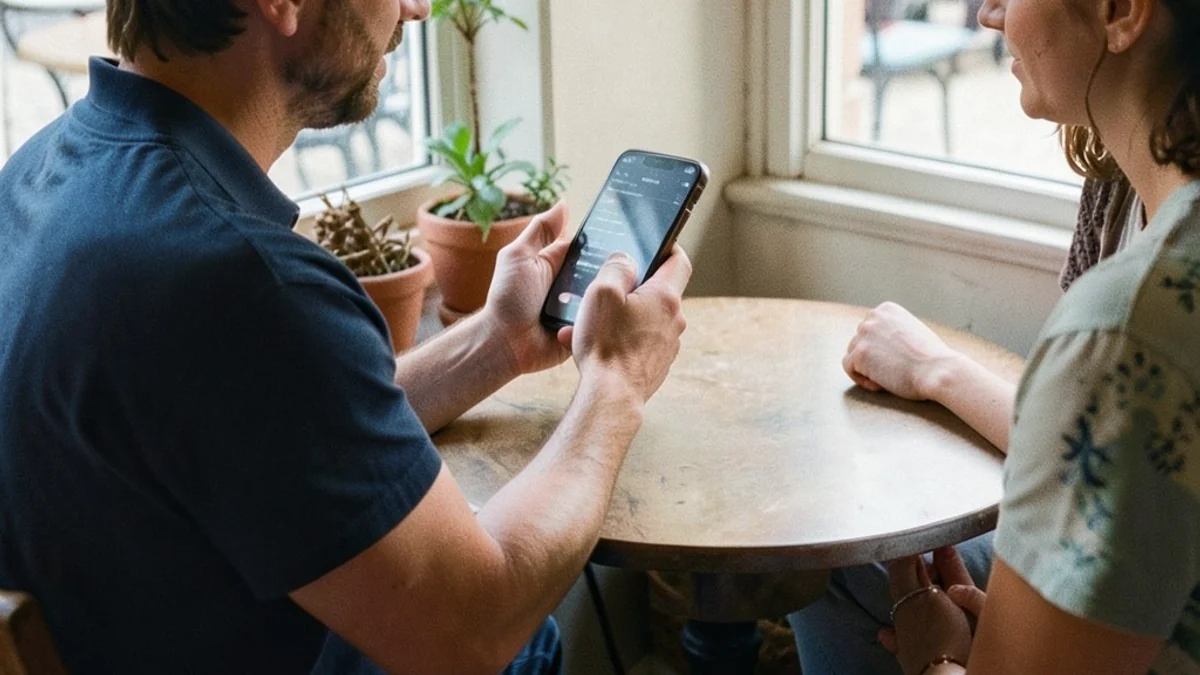
Real-life meetings—whether through friends, hobbies, or routine spaces—operate on a completely different timeline than apps. When you meet someone in person, you start with context. You share a room, an activity, or a mutual acquaintance.
Apps strip away that context, forcing you to build chemistry out of three photos and a one-liner about hiking. Slow dating attempts to mimic the natural pacing of real life by slowing down the digital intake. By refusing to rush into a dozen simultaneous chats, you leave room for actual curiosity. You give yourself the mental bandwidth to notice whether you like the person sitting across from you, rather than mentally scrolling through backup options.
Dating does not require an endless supply of candidates. It requires the willingness to pay attention to one person long enough to see if anything is there.
Frequently Asked Questions
What is the main difference between slow dating and regular swiping?
Slow dating limits the number of active matches and conversations you maintain at one time, prioritizing deep interaction and real-world meetings over constant collection of matches. Regular swiping treats dating app interfaces as a high-volume consumption activity.
How do I stop the habit of mindless swiping?
Set hard time limits on your phone usage for dating apps, or delete the apps from your home screen entirely. Only open them when you have intentional time set aside to read profiles and send thoughtful messages.
Does slow dating mean I will go on fewer dates?
You may go on fewer total dates, but the dates you do go on will likely involve better-aligned matches. The goal is to filter out low-effort connections before investing an entire evening in them.
How long should I chat on an app before meeting in person?
Generally, aim for a few days to a week of good conversation—just enough to establish mutual interest and basic safety—before suggesting a low-pressure in-person meeting like a coffee or a drink.
Quick Check: Is Your Dating Match Acting Suspiciously?
Evaluate common red flags and profile inconsistency signals in seconds.