

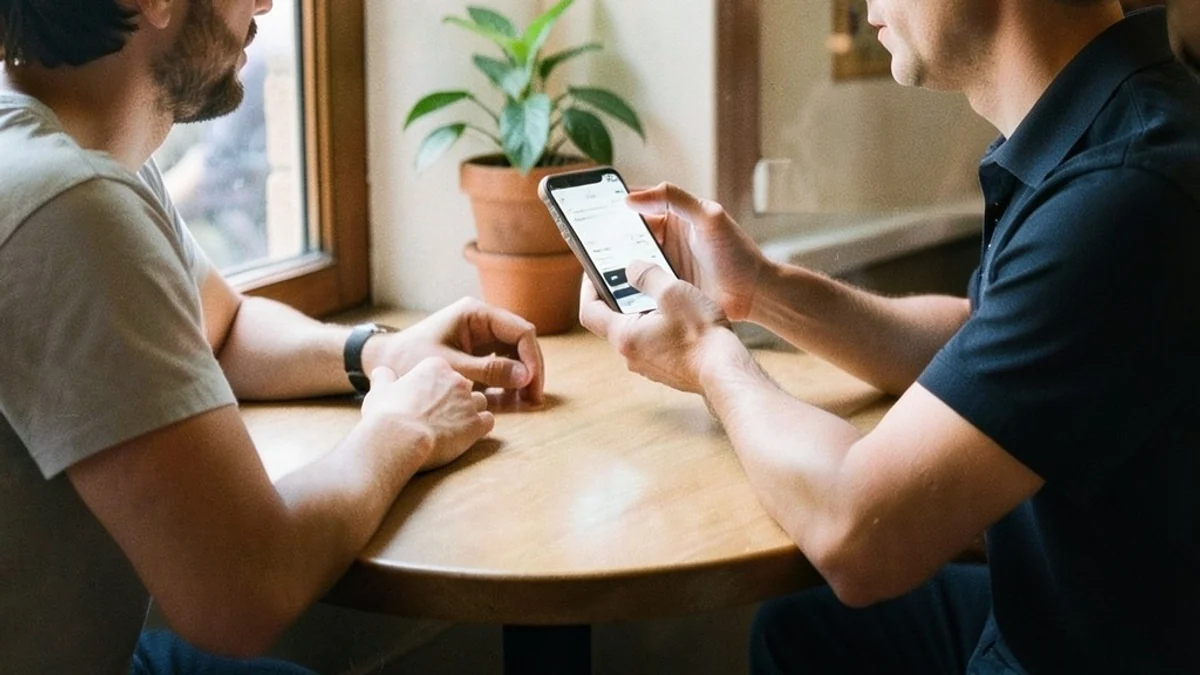
The standard dating app experience is built for volume, not outcomes. You open an application, look at a cropped photo for two seconds, swipe left or right, and repeat the cycle until your thumb cramps or your attention span breaks. This mechanic treats human connection like sorting mail. It feels productive because you are constantly moving, but it rarely produces anything sustainable.
Slow dating apps and intentional habits offer a different route. Instead of matching with fifty strangers a week and having zero meaningful conversations, slow dating forces you to talk to one person at a time before deciding whether to meet. It trades the illusion of infinite choice for actual momentum. Understanding why slow dating apps versus fast swiping works better requires looking closely at how swiping platforms are engineered to keep you scrolling, and why human psychology rebels against endless options.
Key Takeaways
- Fast swiping triggers the brain’s reward centers through intermittent reinforcement, making the act of searching more addictive than actually dating.
- Limiting your active matches to two or three people at a time stops decision fatigue and encourages deeper conversation.
- Slow dating platforms shift the focus from visual curation to shared values, communication styles, and practical compatibility.
- Moving from an app to a real-life meeting within a reasonable timeframe prevents the “pen pal trap” where text chemistry outpaces reality.
The Mechanics of Fast Swiping
To understand why fast swiping fails, you have to look at how apps make money and keep attention. Platforms rely on engagement metrics: daily active users, time spent in-app, and subscription upgrades.
How Swipe Apps Keep You Scrolling
The core mechanic is intermittent reinforcement—the same principle that powers slot machines. You never know if the next swipe will reveal someone attractive, so you keep going. Paid boosts, super likes, and hidden match queues create artificial scarcity. If you want to see who liked you, you pay. If your profile drops in the local stack, you buy a visibility upgrade.
Limits: These are practical patterns observed from user behavior and platform design, not a published audit of proprietary source code.
This architecture encourages superficial sorting. Profiles become marketing brochures. People list hobbies they never practice and select photos from their best vacation three years ago. When matching is that frictionless, rejection carries no weight, and commitment feels unnecessary because a replacement is always one swipe away.
Flirt Style & Chemistry Quiz
Take a quick 2-minute assessment to identify your conversational pacing, boundaries, and app compatibility.
The Exhaustion of Dating App Fatigue
When you treat dating like a part-time logistics job, burnout is inevitable. Dating app fatigue sets in when the effort of small talk—asking about weekends, discussing hometowns, and watching conversations die after three messages—outweighs any potential reward.
Fast swiping creates the paradox of choice. When faced with thousands of potential partners, people stop making definitive decisions. Choosing one person feels like closing doors on everyone else, so users keep swiping even when they are already talking to someone promising. This constant low-level scanning prevents emotional investment. You cannot build a foundation with someone if part of your brain is wondering who else might pop up in the queue tomorrow.
Intentional dating habits break this loop by imposing self-regulation. If an app won’t slow you down, you have to slow yourself down.
How to Practice Slow Dating in a Fast World
Adopting a slow dating mindset does not mean you have to delete every app on your phone today. It means changing how you use them.
Limit Your Active Pipeline
Stop collecting matches like baseball cards. If you are actively messaging three people, stop swiping. Close the discovery feed entirely. Focus your attention on those three conversations and see where they go. If none of them work out, open the app again. This single adjustment eliminates the cognitive load of multitasking romance.
Prioritize Substance Over Aesthetic Perfection
Fast swiping trains you to discard profiles over minor details—a bad haircut, a vague bio, an awkward group photo. Slow dating asks you to look past the presentation layer. If someone writes a thoughtful prompt response or shares a specific interest, give them a chance even if they aren’t your typical visual type. Physical attraction matters, but chemistry is heavily influenced by how someone treats you in conversation.
Move Off the App with Purpose
Slow dating is not about becoming pen pals for three months. Texting builds a fantasy version of a stranger in your head that a real human can rarely live up to. The goal of a slow dating app or intentional habit is to filter out obvious mismatches quickly, have a brief, high-quality exchange, and then meet for a low-stakes coffee or drink within ten to fourteen days.
If you want a structured way to evaluate whether someone is worth your time before investing further emotional energy, you can review our match evaluation checklist at /calculator/ to assess compatibility markers objectively.
Frequently Asked Questions
What makes slow dating apps different from regular dating apps?
Slow dating apps typically limit the number of daily likes you can send, require more detailed profile prompts, or encourage users to focus on single conversations instead of endless swiping queues. This design discourages passive browsing and forces users to evaluate matches deliberately before moving forward.
Won’t I miss out on potential matches if I slow down?
You might see fewer profiles, but the matches you do get are usually higher quality. Fast swiping gives you the illusion of choice, whereas slow dating gives you actual prospects. Quality always outperforms quantity when building a genuine connection.
How do I stop myself from falling back into mindless swiping?
Turn off push notifications for dating apps and set a strict time limit—such as fifteen minutes a day—for checking messages. Treat the app like an email inbox rather than a social media feed, which reduces the psychological pull to keep refreshing your screen.
Is slow dating effective for finding long-term relationships?
Yes. By reducing decision fatigue and forcing intentional communication, slow dating helps you spot compatibility issues early, saving you from weeks of unfulfilling small talk and dead-end dates.
⚡ Quick Scan: Is Your Dating Match Real?
Instant cross-reference against verified anti-bot database and spoofing patterns.