

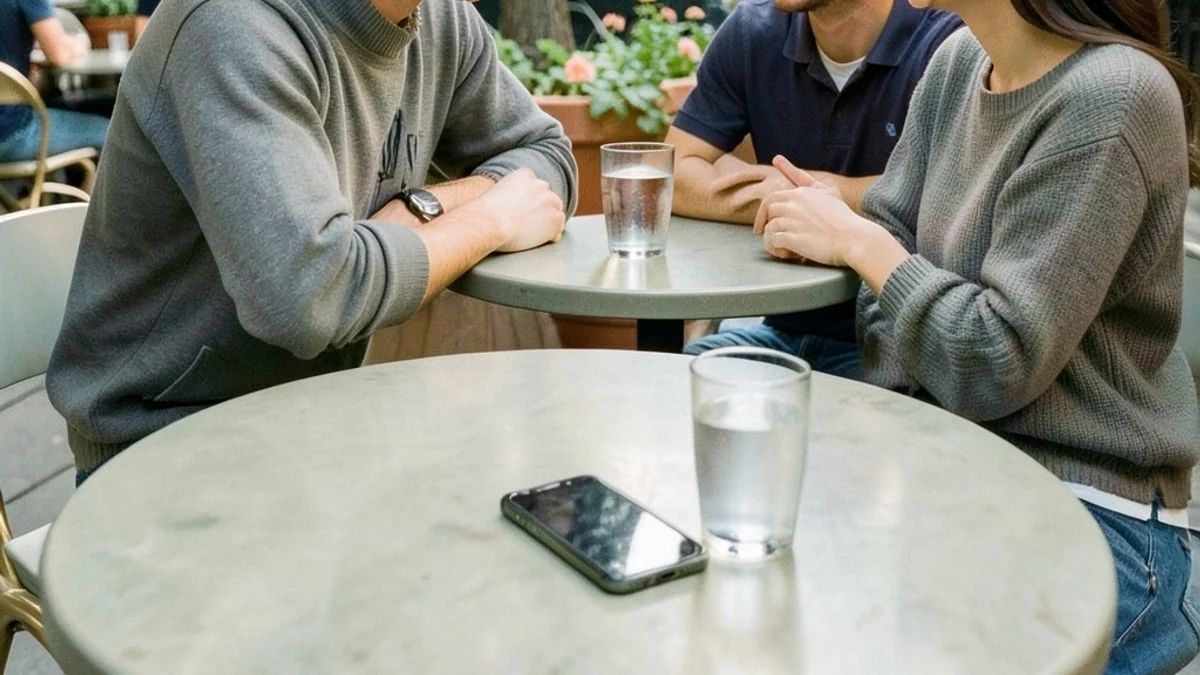
Modern dating apps are designed to mimic slot machines rather than community centers. When you open a standard app, you are fed an endless stream of profiles under the guise of infinite choice. This mechanism relies on intermittent reinforcement—the unpredictable reward of finding an interesting match after a dozen underwhelming ones—which keeps you scrolling long after your attention has flagged. The result is a well-documented fatigue that leaves people questioning their desirability, their standards, and the entire premise of modern romance.
If you want a stable, long-term connection, you have to break this loop. The alternative is slow dating: a deliberate pullback from volume-based swiping in favor of deeper, lower-volume interactions. Slow dating apps versus swiping burnout is not just a semantic debate about interface design; it is a structural shift in how you allocate your emotional energy. By limiting the number of active conversations and ditching the daily swipe quota, you stop treating potential partners like interchangeable inventory and start treating them like actual people.
Key Takeaways
- Limit yourself to two or three active conversations at any given time to prevent cognitive overload.
- Delete apps from your phone’s home screen or use downtime limits to curb mindless evening swiping sessions.
- Shift the goal of the first app interaction from an endless text chat to a concrete, low-stakes real-world meeting within a week.
- Evaluate your compatibility using structured tools like a match evaluation checklist rather than relying on gut reactions driven by app fatigue.
Understanding the Swipe Trap
To understand why slow dating works, you have to look at how swipe-first apps operate behind the scenes.
The Mechanics of Engagement
Most major platforms use algorithms that prioritize user retention over successful matchmaking. Features like daily swipe limits, paid boosts, and read receipts are structured to maximize time-in-app. When an app rewards you with a match, it triggers a small dopamine hit that encourages you to keep browsing, even if you have no intention of messaging that person.
(Limits: These are observed behavioral patterns based on interface design and user experience trends, not a published audit of any specific company’s proprietary code.)
Over time, this creates a paradox of choice. When faced with thousands of potential profiles, the brain stops looking for reasons to say yes and starts looking for minor reasons to say no—a poor photo angle, a vague bio, an incompatible hobby. You discard viable partners because the next swipe is always a thumb-flick away.
Breaking the Cycle of Fatigue
Dating app burnout recovery starts with recognizing that your exhaustion is a feature, not a bug, of the system. When you feel numb after twenty minutes of swiping, your brain is signaling that it was never designed to process romantic prospects the way a warehouse worker sorts packages.
Stepping back requires setting hard boundaries. Turn off push notifications for dating apps entirely. Check them once a day with a specific purpose—to reply to existing messages or set up a date—rather than opening them whenever you feel bored or lonely.
Flirt Style & Chemistry Quiz
Take a quick 2-minute assessment to identify your conversational pacing, boundaries, and app compatibility.
The Principles of Slow Dating
Slow dating reverses every incentive of the swiping economy. Instead of maximizing breadth, it prioritizes depth.
Quality Over Quantity of Contact
In a slow dating model, you stop collecting matches like baseball cards. If you match with someone, you invest actual attention into reading their profile and asking substantive questions. If the conversation stalls, you let it go instead of trying to revive it with endless banter.
This approach preserves your emotional reserves. You are no longer spending mental energy managing five parallel conversations with strangers who might ghost by Thursday. You are focusing on one or two interactions that have genuine momentum.
Moving Offline Faster
The biggest trap of app-based dating is prolonged text chemistry. People can maintain an idealized persona via text for weeks, only for both parties to realize there is zero physical or conversational chemistry in person.
Slow dating does not mean dragging out a digital pen-pal relationship. In fact, it means the opposite. You use the apps simply as an introduction mechanism, aiming to transition to a real-world meeting within seven to ten days. A thirty-minute coffee date tells you more about a person than three weeks of late-night messaging ever could. If you want a structured way to assess whether a connection is worth pursuing offline, running through a match evaluation checklist can help clarify your priorities before you invest a full evening.
Practical Steps to Implement Slow Dating
Transitioning away from swipe culture requires deliberate changes to your digital habits. Here is how to make the shift stick.
Audit Your Digital Footprint
- Consolidate: Delete all but one dating app. Running multiple apps simultaneously multiplies your exposure to the swipe trap.
- Schedule: Designate specific windows—say, twenty minutes on Tuesday and Thursday evenings—for app use. Outside those windows, the apps are off-limits.
- Purge: Unmatch anyone you have been chatting with for more than two weeks without making plans to meet. They are digital clutter.
Embrace Real-World Serendipity
When you stop staring at your phone while walking down the street or waiting in line, you open yourself up to spontaneous interactions. This does not mean you have to approach strangers awkwardly in grocery stores. It simply means being present in your environment. Join local interest groups, take an in-person class, or become a regular at a neighborhood cafe. Meeting people in the wild bypasses the algorithmic filter entirely, allowing mutual attraction and shared context to develop naturally.
Frequently Asked Questions
What makes slow dating different from just taking a break from apps?
A break is passive—you stop using the apps until you get bored and log back in, repeating the same cycle. Slow dating is an active restructuring of how you use apps. You change your behavior, reduce your volume, and prioritize real-world meetings over endless digital swiping.
Won’t I miss out on potential matches if I swipe less?
You might see fewer profiles, but the ones you engage with will have your actual attention. Swiping on hundreds of people does not increase your chances of finding a good partner; it only increases your exposure to incompatible matches. Quality connections require focus, which high-volume swiping destroys.
How do I handle someone who wants to text for weeks before meeting?
Be direct about your preferences. You can say something like, “I’m not great at getting to know people over text—would you like to grab a quick coffee sometime next week?” If they refuse or stall indefinitely, they are likely looking for digital pen pals or validation rather than an actual relationship, saving you valuable time.
⚡ Quick Scan: Is Your Dating Match Real?
Instant cross-reference against verified anti-bot database and spoofing patterns.